
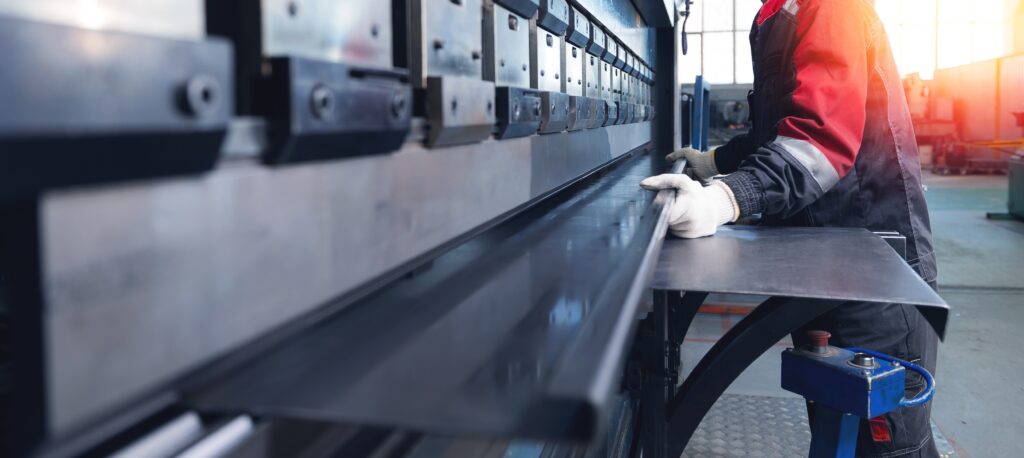
Metal fabrication lead time is affected by multiple factors, including vendor coordination, material availability, process sequencing, and internal workflow efficiency. Delays typically occur between production steps, not within them. Reducing fabrication lead time requires better alignment across cutting, forming, welding, and finishing processes.
Key factors that impact metal fabrication lead time:
- Vendor handoffs and scheduling gaps
- Material sourcing and availability
- Inefficient fabrication workflow
- Production delays across suppliers
- Lack of coordination between processes
Common Causes of Long Metal Fabrication Lead Times
For sourcing managers and operations teams, long manufacturing lead times often come from avoidable inefficiencies.
Fragmented Vendor Management
Working with multiple vendors increases complexity. Each supplier operates on its own timeline, creating delays between production stages.
Unclear Production Schedules
Without clear scheduling, fabrication turnaround time becomes unpredictable. Delays compound when one process finishes before the next is ready.
Rework and Quality Issues
Errors in early stages such as cutting or forming can delay downstream processes like welding or finishing.
Limited Capacity at Suppliers
Suppliers with limited capacity may extend production timelines, especially during high-demand periods.
Vendor Handoffs and Scheduling Gaps
Vendor handoffs are one of the most common causes of production delays in fabrication.
Gaps Between Processes
When parts move from one supplier to another, time is lost in transportation, scheduling, and intake processing.
Communication Breakdowns
Misalignment between vendors can lead to incorrect specifications, rework, or delays.
Lack of Accountability
When multiple vendors are involved, it becomes difficult to identify where delays are occurring and who is responsible.
Reducing suppliers in manufacturing can significantly improve fabrication workflow efficiency and shorten timelines.
Material Availability and Process Sequencing
Material planning plays a major role in fabrication lead time.
Material Sourcing Delays
Specialty metals or large quantities can extend timelines if not available upfront.
Incorrect Material Planning
If materials are not aligned with production schedules, fabrication cannot begin on time.
Inefficient Process Sequencing
Cutting, forming, and welding must be properly sequenced. Poor coordination creates downtime between steps.
Improving fabrication workflow efficiency requires aligning materials and processes before production begins.
Internal vs Outsourced Coordination
How fabrication is managed internally versus outsourced affects overall performance.
Outsourced Fragmentation
Fabrication outsourcing across multiple vendors increases coordination complexity.
Internal Bottlenecks
Even internal operations can experience delays if departments are not aligned.
Visibility Across Processes
Lack of visibility into each stage of production makes it difficult to manage manufacturing lead times effectively.
A structured approach to coordination is essential to reduce fabrication lead time.
How Integrated Fabrication Improves Lead Times
Integrated fabrication brings all processes under one system, improving efficiency and predictability.
Reduced Handoffs
Combining laser cutting, CNC forming, and welding eliminates delays between vendors.
Aligned Scheduling
Production schedules are managed internally, reducing downtime between processes.
Improved Quality Control
Consistent oversight reduces errors and minimizes rework.
Faster Turnaround Time
With fewer interruptions, fabrication turnaround time improves significantly.
For sourcing teams, this approach reduces complexity while improving reliability.
How The Bionic Welder Helps Reduce Fabrication Lead Time
The Bionic Welder supports faster and more predictable metal fabrication lead time through integrated capabilities.
Services include:
- Laser cutting for accurate, fast part production
- CNC brake forming for consistent shaping
- Robotic and manual welding for flexibility and repeatability
- Powder coating coordination for finished parts
By managing these processes in one place, production delays are minimized and timelines become more predictable.
Improve Your Fabrication Turnaround Time
Long lead times are often the result of fragmented processes, poor coordination, and material delays. Addressing these factors can significantly improve manufacturing lead times.
If you are looking to reduce fabrication lead time and improve production efficiency, working with an integrated fabrication partner is a practical solution.
Send your drawings or files today to request a quote and improve your turnaround time.